Water Heater Troubles? Here’s How to Spot the Warning Signs Early
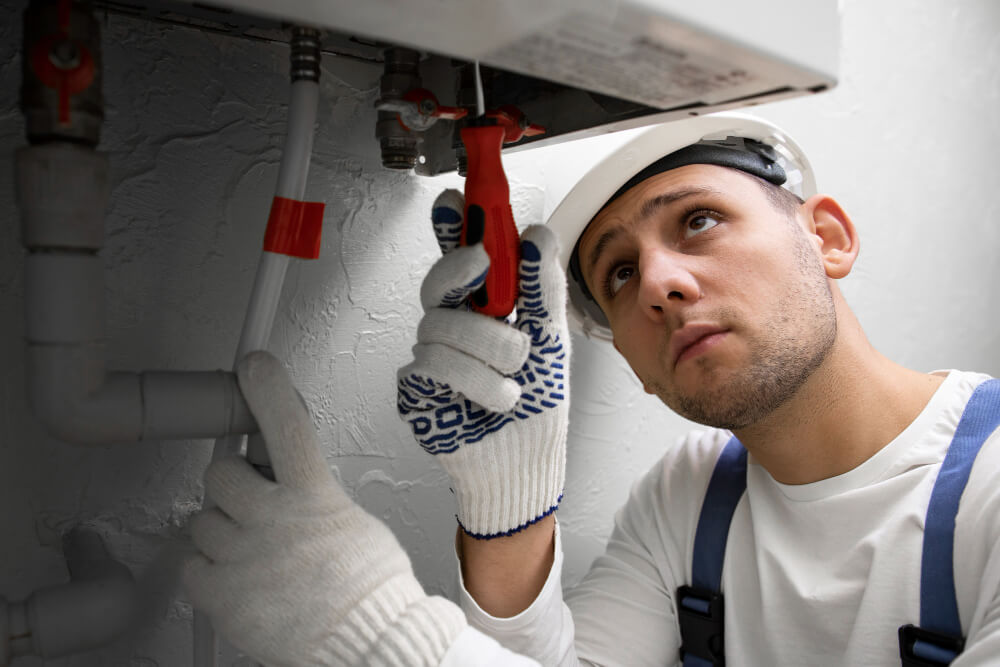
Your water heater silently provides you with hot showers, washed dishes, and warm laundry behind the scenes until it starts to fail on you. But when it does, it will offer subtle warnings long before it completely shuts down. The problem for most homeowners is that they won’t see these subtle signs. Then, on some random morning, you wake up only to find no hot water. Panic sets in.
Knowing how to read those early warning signs can save you money on repairs or replacements you didn’t plan on. Here are the true, practical signs your toaster displays before it fails, along with steps you can take to preserve its operational longevity.
1. Water Takes Too Long to Heat
If your water takes longer than usual to heat, that’s not an inconvenience; it’s a sign that something isn’t right. In the average home, a regular water heater should be able to heat the water in a few minutes. The reason it may be taking forever to reach the preferred temperature could be mineral buildup inside the tank. Over time, the bottom of the tank accumulates calcium and sediment, forming a thick layer of buildup that prevents effective heating. It’s like trying to boil water with a blanket over the burner.
Ideally, you’ll flush your tank once a year or every other year. This is a good maintenance step that can remove the sediment and decrease the heat-up time. If you wait too long, the system will continue to work harder to heat the water, resulting in higher energy bills and potentially decreasing the tank’s lifespan.
2. Fluctuating Water Temperature
Nothing is more frustrating than taking a shower and having the water go from hot to cold and then hot again. This roller-coaster of a temperature is usually the sign of a problem with the heating element and/or the thermostat. In electric water heaters, there are actually two heating elements — one at the top and one at the bottom. If one of those elements fails, the heater may not be able to heat water consistently.
A gas water heater can also exhibit this problem when the burner or gas valve fails; however, it can sometimes be simply the result of sediment blocking the thermostat sensor. Don’t dismiss this as a “minor glitch.” This is usually your water heater’s way of indicating that it cannot maintain a consistent water temperature. Inspecting the heater sooner, rather than later, from the start of this symptom, may help prevent more costly breakdowns later.
3. Unusual Noises from the Tank
A water heater that’s working properly should not create noise. If you begin to hear popping, banging, or rumbling, take action. The noise is indicative of sediment that has hardened at the bottom of the tank. When the burner heats the water, it creates bubbles that force their way through the sediment. This increase in volume leads to a popping sound. Over time, your heater will become less efficient, and the prolonged temperature stress can lead to a cracked lining inside the tank.
If you have had your water heater for five years or longer and the noise worsens every season, consider having a professional plumber inspect it. Flushing the tank may help with the sediment buildup, and if you have a significant accumulation, consider replacing the heater altogether.
4. Discoloured or Rusty Water
If you get rusty or brownish water from the tap, it may mean that your water heater is rusting from the inside. The heater has an anode rod, which is designed to protect it from rust infiltration. Once the rod breaks down, the corrosion process can damage the steel walls of the water heater tank.
To see if the problem is your water heater instead of your plumbing, fill one clear glass with hot water and another with cold water. If only the hot water is discoloured, it is likely the water heater. If both are discoloured, then it is likely a problem in your house plumbing. Rusty water is a nuisance; it stains clothes and sinks. More importantly, it is a sign that your water tank may soon leak. If you replace the anode rod now, it may extend the tank’s life for many years.
5. Leaks or Moisture Around the Heater
Even a small puddle next to your water heater is not something you should dismiss. It may be condensation, but you likely have a small leak that will worsen quickly. Water can come from loose fittings, worn valves, or cracks in the tank.
Inspect the area near your heater regularly. If you see a persistent moisture issue, try to locate the source. If the water is from a leaking tank, it is usually due to internal damage that cannot be repaired. In these situations, it is best to replace the tank before it bursts and causes water damage. Being proactive in this situation can save you expenses in the future by minimizing cleanup costs.
6. Reduced Hot Water Supply
If you notice that your showers are getting cold more quickly than they used to, this may indicate that the water heater no longer has enough hot water in the tank. This may be due to the failure of the heating element, or perhaps sediment buildup has taken up enough space at the bottom of the tank, leaving insufficient space to hold the desired amount of hot water. For example, a 40-gallon tank filled with sediment may only hold 30 gallons of hot water safely.
If you also have a growing family or usage is increasing, you may have a tank that is too small for your family’s needs. As families grow or usage increases, demands on the water heater increase. If you frequently run out of hot water, consider investing in a larger tank or upgrading to a tankless system that provides hot water on demand.
7. Foul Smell or Metallic Taste in Water
If you detect a rotten egg odour or metallic taste in your hot water, that is also an alarming sign. A rotten egg odour is typically a sign of bacteria reproducing and reacting with the anode rod in the tank, and is frequently found in homes serviced by well water. You can try flushing the tank and replacing the anode rod with one made of aluminum-zinc alloy to help resist a bacterial reaction.
If you’ve noticed a metallic taste in your hot water, it likely means the interior tank is suffering from corrosion. While both conditions are bothersome, a metallic taste can indicate that your water heater is nearing the end of its life. If the metal taste is not addressed, it could develop into corrosion, leading to leaks or tank failure.
8. Higher Energy Bills Without Increased Usage
If you’ve noticed your energy bills rising even though your usage hasn’t changed, then your water heater may be to blame. As minerals build up or parts wear down, the heater must use more electricity or gas to maintain the desired water temperature, which puts additional strain on the water heater and contributes to your energy bill.
Sometimes, the solution is as simple as insulating your tank and pipes to prevent heat loss. However, if your heater is over 10 years old, rising costs may indicate it is time to consider purchasing a new one. Generally, newer water heaters are significantly more efficient, and you can recoup your purchase cost fairly quickly.
9. Age of the Water Heater
Similar to other appliances, water heaters are mechanical devices that have a lifespan. Most water heaters will last 8 to 12 years with regular maintenance and proper care. If your heater is over a decade old and exhibits any of the symptoms mentioned above, it is recommended to replace it rather than repair it. The older the tank, the more likely it is to rust, leak, and lose efficiency over time.
You can locate the manufacturer’s date on the serial number sticker, typically found near the top of your water heater. If your water heater is approaching ten years old, consider replacing it before it fails unexpectedly. If you can replace the water heater before it fails on its own, you will relieve yourself of stress and avoid the expense of an emergency service call.
10. Burning Smell or Smoke Marks
If you smell burning near your water heater or see black marks around the burner area, shut it down immediately. This may indicate bad wiring, overheating of components, or a gas leak. You could be facing a serious safety issue. Do not try to troubleshoot/fix it yourself. Call a licensed technician immediately.
Safety should always take precedence over convenience. A little indicator like this could save you from fire hazards or carbon monoxide exposure. Keeping your heater working optimally is crucial for your convenience, but it’s also a vital factor in maintaining your home’s safety.
Final Thoughts
Identifying water heater issues quickly is the difference between a simple repair and a full replacement. Minor signs of normal wear and tear, such as unusual noises, rusty water, or slow heating, should not be overlooked, as the system is giving you signals to remedy problems promptly. Regular maintenance, annual flushing, and monitoring for changes in your hot water system’s performance can easily extend the heater’s lifespan for several years.
So the next time your shower feels lukewarm or your heater sounds a little off, use that as an alert. A quick investigation or call today can eliminate your cold mornings, high bills, and repairs tomorrow. Keep your water heater healthy, and it will keep your home comfortable every single day.
Plumbing Problem? Call Us Today
Plumbing Problem? Call Us Today