

Tankless vs. Traditional Water Heaters: Which Is Right for Your Toronto Home?
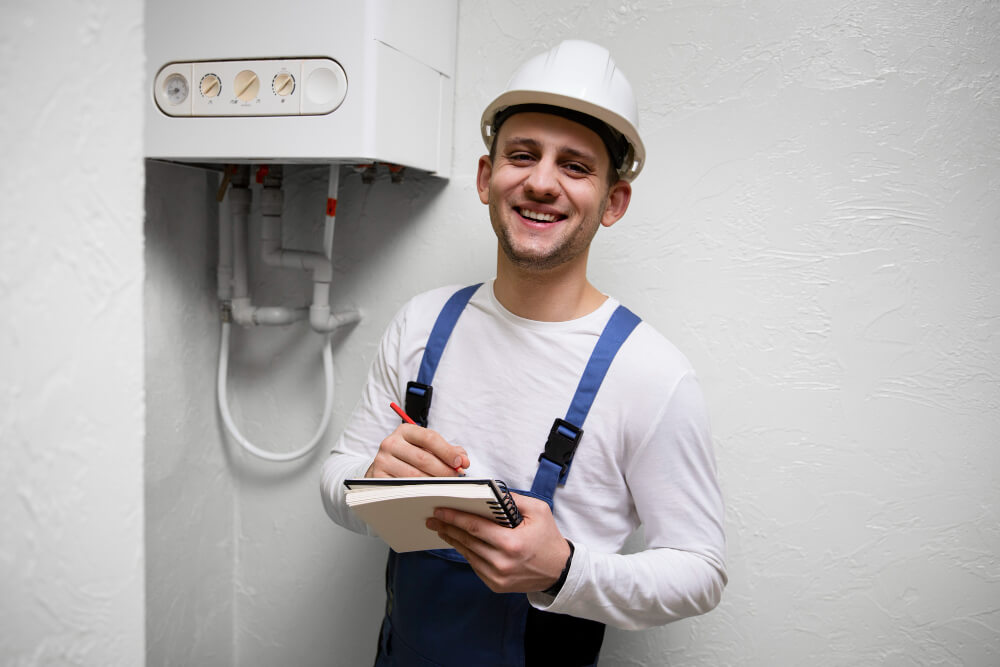
Many homeowners in Toronto face the choice between a tankless and a traditional water heater. With the city’s cold winters and high utility rates, having hot water becomes a comfort and a cost issue! When replacing an old heater or setting up a new home, it’s about choosing what’s in vogue and what’s best for your space, usage, and budget. We will look closely at both options to help you determine which options are best for your Toronto home.
How Traditional Water Heaters Work?
Most people have grown up with traditional, storage-type water heaters. Typically, a single water heater tank will hold between 30 and 60 gallons of hot water, heated using gas or electricity, that is kept hot and ready to go.
In Toronto’s bitter winters, these heaters are reliable. They will generally keep you in consistent hot water even when multiple showers are used back-to-back with loads of laundry. The only downside is energy loss. Since the water is allowed to stay hot all the time, the system will cycle on and off, which is called standby heat loss, and you will pay more for your utilities when energy prices are higher during the winter months.
How Tankless Water Heaters Work?
Tankless water heaters, often called on-demand systems, heat water only when required; there is no tank. Instead, a gas burner or an electric coil heats the water as it passes through the unit.
Tankless water heaters do not store water, so they avoid standby heat loss, leading to monthly energy savings. With energy efficiency becoming more critical in cities like Toronto, tankless water heaters are becoming more popular. They are compact, wall-mounted, and often last longer than traditional water heaters.
However, they do require a higher installation cost. They may not have enough capacity if several fixtures are used simultaneously, unless you purchase a high-efficiency model or install more than one tankless water heater to improve efficiency.
Energy Efficiency: Which One Wins?
In terms of long-term savings, tankless systems typically win out. They are about 20 to 30 percent more efficient than storage heaters, as energy is only used when hot water is required, leading to lower monthly energy bills and less carbon footprint for the home.
However, the efficiency benefit is realized only if the household is a moderate hot water user. For example, larger families will generate a reasonable amount of hot water daily, with minutes of showering and loads of laundry. This can mean the hot water tank is on almost all the time, and it’s unlikely that businesses, if you include them in the analysis, will save with tankless systems if you have team members analyzing energy use.
On the other hand, traditional heaters are often cheaper to run if the system is already in place, and the household uses more hot water. Likewise, replacing just one old water tank with a similar new model may be cheaper on the initial purchase price and easier to install.
Cost Breakdown: Purchase, Installation, and Maintenance
Cost is often what determines which system is going to be the winner. Traditional water heaters are not only cheaper to purchase, but they are also cheaper to install. A typical gas tank model will run anywhere from $1,000 to $2,000 installed, based on size and brand. Maintenance is typically easy, as you must mainly flush your tank once a year to keep sediment from building up.
For tankless units, the installed price will run from about $3,000 – $5,000. They will typically require a more extensive and complicated installation, often requiring the gas line, venting, and an electrical system. Maintenance is slightly more technical, since they will require periodic descaling, especially in hard water areas, to prevent the mineral buildup you would see in traditional tankless heating systems.
The lifespan of traditional tank water heaters is often around 10–12 years, but if properly maintained, tankless systems will last upwards of 20 years. That extended lifespan will balance out the usually higher upfront cost in the long run.
Hot Water Availability and Flow Rate
The main difference between these two systems is how they provide hot water. A standard water heater offers a set amount of hot water based on the tank size. So, once you’ve consumed 50 gallons of water and used up your entire supply, you will be left waiting for the tank to reheat and provide more hot water.
While tankless heaters don’t run out of water, flow limitations can still exist. For instance, if you run two showers and use the dishwasher simultaneously, the one tankless unit straining to keep up with your demands will show its limitations. This can be a significant issue in the morning for larger homes in Toronto. However, one fix for this is installing two small units in different locations in the house, which will also increase the cost.
Space Considerations in Toronto Homes
Space is a genuine issue in Toronto homes, especially in older downtown buildings or smaller condo units. Conventional heaters take up room on the floor and require vented clearance. Here, tankless systems are wall-mounted and compact in design. You can even mount them in tighter utility areas and even possibly a closet, freeing up valuable floor space for storage or an in-home laundry solution.
A tankless water heater is a flexible solution if you live in a home with limited space or are upgrading during a renovation. The tank size isn’t as critical for larger detached homes and basements, making that a suitable option.
Environmental Impact and Local Efficiency Incentives
Tankless systems consume less fuel and emit fewer greenhouse gases over time. Toronto is committed to energy-efficient housing, so depending on the program, a tankless unit could be eligible for rebates or other energy benefits.
Conventional systems still do their job quite well, but are typically less environmentally friendly because of their constant fuel use. If sustainability is a key component for your home, a tankless system is a better long-term environmental investment.
Which One Is Right for You?
Here’s a quick comparison to make things more straightforward:
| Factor | Tankless Water Heater | Traditional Water Heater |
| Initial Cost | Higher | Lower |
| Operating Cost | Lower over time | Higher due to heat loss |
| Lifespan | Around 20+ years | Around 10–12 years |
| Energy Efficiency | Very high | Moderate |
| Hot Water Supply | Endless butflow-limitedd | Limited but strong flow |
| Space Use | Compact | Bulky |
| Maintenance | Regular descaling | Annual tank flush |
| Ideal For | Smaller families, energy-conscious users | Large families, budget buyers |
Final Thoughts
Each system has its place in households in Toronto. A traditional water heater guarantees reliability and a cheaper upfront cost. A tankless alternative guarantees savings in the long run and better space utility. Ultimately, it could boil down to being able to afford the installation cost with your family size or how long you plan on being in your home.
If you’re still unsure what system is best for your Toronto home, seek an expert familiar with both systems and the houses in the area. Rosedale Plumbing has years of experience installing and servicing water heater systems across Toronto homes. Their team can help you choose which water heater system will best fit your home, usage, and budget.
Plumbing Problem? Call Us Today
Plumbing Problem? Call Us Today