Sewer Line Inspections in Toronto: A Must-Do Before Buying a Home
Buying a home in Toronto involves more than checking what you can see. One hidden system can quietly decide whether your purchase stays stress-free or turns costly later—the sewer line. Many buyers overlook it, yet repairs can drain time and money fast.
This blog explains why sewer line inspections matter before you buy a home. You will learn how the inspection works, common problems found in Toronto homes, when to book it, and how it helps with price talks. By the end, you will know exactly why this step protects your investment.
What Is a Sewer Line Inspection?
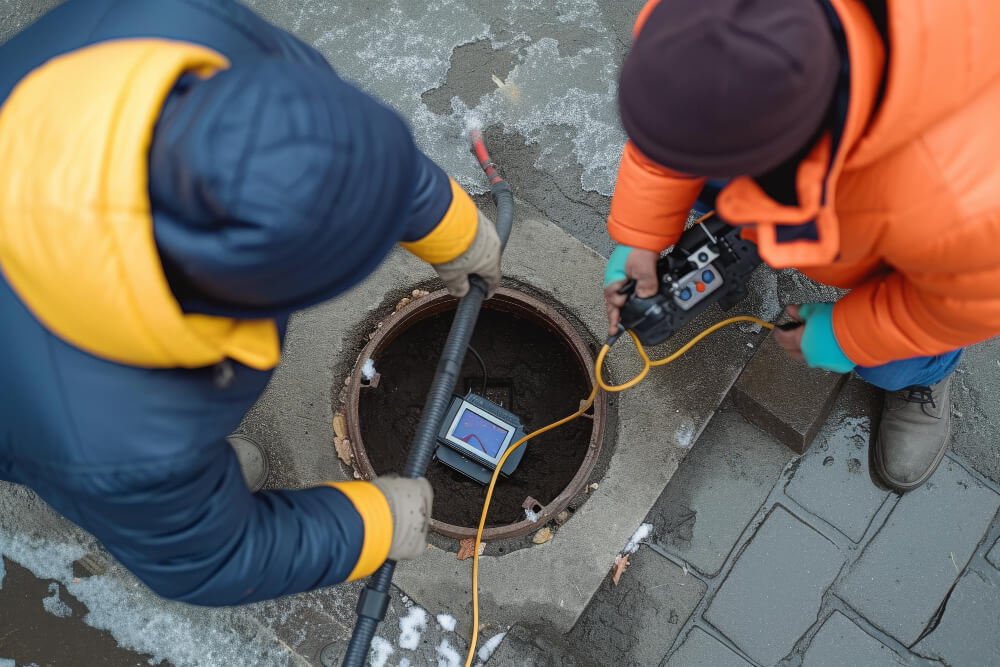
A sewer line inspection checks the underground pipe that connects the house to the city sewer. A plumber inserts a small camera through the cleanout or main drain opening. The camera sends a live video feed from inside the pipe. This method is also known as a sewer camera inspection or sewer scope inspection. It does not involve digging or breaking floors. The process takes less than an hour in most cases. Buyers receive a video and explanation that shows the real condition of the sewer line.
Why Sewer Line Inspections Matter for Toronto Homes?
Toronto has many older neighbourhoods with aging sewer systems. Many homes still rely on clay or cast-iron pipes installed decades ago. Over time, these pipes crack, shift, or corrode. Tree roots, soil movement, and freezing winters add pressure underground. A home sewer inspection helps detect these issues early. Without it, buyers risk facing major sewer line problems in Toronto soon after moving in.
Common Sewer Line Problems Found During Inspections
Sewer inspections often reveal issues that buyers cannot see on the surface. Below are the most common problems found in Toronto homes.
- Tree Root Intrusion: Tree roots grow toward moisture and easily enter small pipe cracks. Once inside, they expand and block water flow. Over time, they break the pipe walls and cause backups.
- Cracked or Broken Pipes: Old pipes crack due to age, shifting soil, or pressure from above. These cracks allow waste water to leak into the ground and let debris enter the line.
- Pipe Bellies or Sagging Sections: A pipe belly forms when part of the sewer line sinks. Water collects in that section instead of flowing out. This leads to slow drains and frequent clogs.
- Grease and Debris Build Up: Years of grease, wipes, and food waste stick to the pipe walls. This narrows the pipe opening and increases the risk of backups during heavy use.
Why a Standard Home Inspection is Not Enough?
A regular home inspection does not include sewer lines. Inspectors check visible plumbing fixtures only. They cannot see underground pipes. Even if toilets flush during the visit, that does not confirm sewer health. Many serious issues sit deeper in the line. A sewer inspection before buying a home fills this gap. It gives buyers facts instead of assumptions.
When Should Buyers Schedule a Sewer Line Inspection?
Timing matters when booking a sewer inspection. The right moment gives buyers more control during the purchase process.
- During the inspection condition period, this allows buyers to review findings before finalizing the deal. If issues appear, they can negotiate repairs or pricing.
- When buying an older home: Homes built decades ago face higher sewer risks due to outdated materials and long-term wear.
- If the property has large trees, Tree roots often cause hidden sewer damage, especially in older neighbourhoods.
- When drains feel slow or gurgle: These signs often point to deeper sewer line problems that need camera inspection.
How does the Sewer Inspection Process Work?
Here is how the ewer inspection process works:
Step 1 – Locate the Sewer Cleanout
The plumber first finds the main sewer cleanout. This is usually outside the home or in the basement. The cleanout gives direct access to the sewer line without opening walls or floors.
Step 2 – Insert the Sewer Camera
A small waterproof camera gets inserted into the sewer pipe through the cleanout. The camera moves slowly inside the line and sends live video to a screen. This shows the pipe condition in real time.
Step 3 – Inspect the Full Length of the Sewer Line
The plumber guides the camera through the entire sewer line until it reaches the city connection. During this step, they look for cracks, roots, blockages, sagging areas, or pipe damage.
Step 4 – Record and Mark Problem Areas
The camera records the inspection. If the plumber finds issues, they mark the exact location and depth. This helps buyers understand how serious the problem is and where repairs may be needed.
Step 5 – Review Findings With the Buyer
After the inspection, the plumber explains everything in simple words. They show the video clips and images so buyers can see the condition themselves. This helps avoid confusion or guesswork.
Step 6 – Provide a Summary or Report
Most plumbers provide a short written summary or video copy. Buyers can share this with real estate agents or sellers during negotiations. The report helps buyers decide their next step with confidence.
Cost of Sewer Line Inspection in Toronto
A sewer camera inspection usually costs a few hundred dollars. Prices vary based on access and pipe length. Compared to sewer repairs that can cost thousands, this fee stays small. Excavation, driveway removal, and pipe replacement raise costs quickly. An inspection helps buyers avoid these surprises and plan finances better.
What to Do If the Inspection Finds Sewer Issues
Finding sewer issues does not mean the deal must fall apart. It gives buyers options.
- Use the report to negotiate: Buyers can ask the seller to fix the issue or lower the price to reflect repair costs.
- Understand the repair level: Some issues need simple cleaning. Others may require lining or partial replacement. Knowing the scope helps decision-making.
- Plan future repairs if needed: If buyers accept the condition, they can budget and schedule repairs later instead of facing emergencies.
Can Sewer Problems Affect Insurance and Resale Value?
Yes, sewer condition affects both. Some insurance policies limit sewer backup coverage. Claims may get rejected if damage comes from known issues. Future buyers also request sewer inspections. A poor sewer report can delay resale or reduce offers. Fixing or knowing the condition early protects long-term value.
Conclusion
A sewer line inspection is an important step for buyers in Toronto before making a purchase, as it helps avoid hidden repair costs. It reveals real pipe conditions and supports fair price talks. With trusted professionals like Rosedale Plumbing, buyers gain clear answers. This simple step protects your investment and helps you move in without unwanted surprises.
Plumbing Problem? Call Us Today
Plumbing Problem? Call Us Today