

Repair vs. Replace: When Is It Time for a New Water Heater?
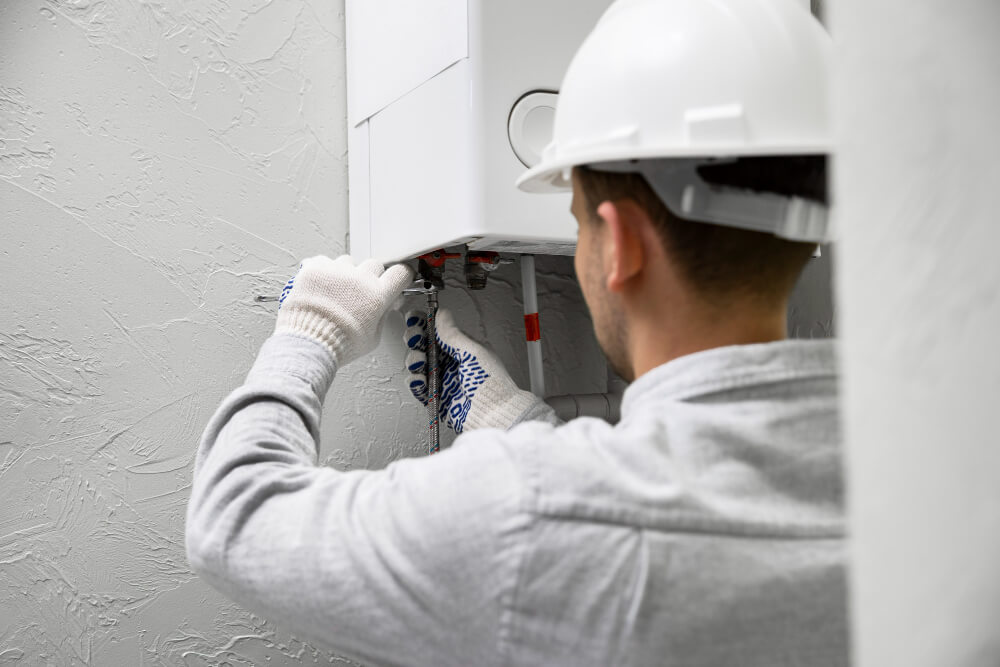
A water heater is one of those home systems we seldom think about—until it fails. The first experience of cold water when you only expect hot, or weird noises from the heater, doesn’t change your mind; they lead to the same question: do I repair the water heater, or should I replace it? It is not as simple as it seems; you’ll need to weigh several factors, including the heater’s age, its energy efficiency, the costs of repair, and how often it needs to be serviced. The right decision can save you money, avoid spending more in the future, avoid future repair work, and make sure you always have hot water running in your home. We will help you learn when repair is enough and when replacement is reasonable.
Understanding How Long a Water Heater Lasts
The average lifespan of a typical water heater is 8 to 12 years, depending on the type of unit and regular maintenance. Gas water heaters usually do not last as long as electric ones, and tankless water heaters typically last longer than tank units. They can even last 20 years or longer, with proper maintenance. If your water heater is nearing or above its recommended lifespan, consider that even minor repairs may not be worth the expense. As units age, parts wear out, sediment buildup can occur, and the unit can be inefficient. A simple way to check the age of your water heater is to look for the manufacturer’s label on the tank. Usually, you can find the installation date, but if not, the serial number will often show the year. If the unit is over a decade old and you begin experiencing issues, replacing it may be a wise long-term decision. Even if it/his still working, older systems tend to use more energy and take longer to heat water.
Signs That a Repair Might Be Enough
Not every concern means that your water heater is at the end of its life. Many issues can be fixed, but they aren’t automatic indicators that your system is at the end of its lifespan, especially if it is not very old. Repair may be reasonable in certain situations, including:
- Minor leaks at fittings or valves – In some instances, leaks may occur simply from loose fittings or valves that need to be repaired or replaced.
- No hot water caused by a broken thermostat or heating element – These parts sometimes failed due to age and would need to be replaced; they are relatively inexpensive and easy to replace.
- Pilot lights failing on gas heaters – The pilot light often wouldn’t stay lit, which usually needs to be repaired or cleaned.
- Noises from the tank – Sometimes rumbling will occur due to sediment build-up at the bottom of the tank; flushing the tank usually solves the issue.
Signs That It’s Time for a Replacement
Sometimes, even multiple repairs won’t solve the real issue. Replacement becomes the more reliable and cost-saving choice in these cases:
- Frequent breakdowns – If you’ve called for repairs more than twice in a year, it’s a sign the heater is failing.
- Rusty or discoloured water means the tank is corroding from the inside. Once that happens, it can’t be repaired.
- Leaking tank – A leaking tank is a major red flag. Replacement is the only option when the tank cracks or rusts through.
- Higher energy bills – Old water heaters often lose efficiency. You may notice your utility bills climbing even though your water use hasn’t changed.
- Inconsistent water temperature – If the water turns hot and cold without reason, or takes too long to heat, the system is nearing the end of its life.
Comparing Costs: Repair vs. Replacement
When it comes down to making a decision, the primary consideration is cost—minor repairs like replacing a thermostat or a pressure valve cost between $150 and $300. Larger repairs, on the other hand, like repairing a leaking tank or replacing the heating element, could be more expensive. However, if repairs exceed 50% of the price of a new water heater, professionals recommend a replacement. Depending on the type and size of the water heater, a new water heater will generally cost between $800-$2000 with installation. Although they initially present more expense, new water heaters are far more energy-efficient than previous models. They heat up more quickly, waste less water, and will significantly reduce monthly energy bills. In many cases, the energy savings will outweigh the cost of a new water heater over the next few years.
Energy Efficiency Matters
Over the past few years, technology has come a long way. Most older water heaters were designed to provide basic service, not as an energy-efficient hot water source. Modern-day water heaters (especially tankless and hybrid models) are designed to heat and use less energy by only heating water when needed. This eliminates standby heat loss, which happens frequently in traditional tanks that keep water heated all day, even when the water is not being used for showers, washing clothes, etc. An energy-efficient water heater can save you money not just on your bills, but also on your home’s carbon footprint. In some areas, utility companies will provide customers with rebates for upgrading to energy-efficient models, making the switch to a new model even worth it.
Considering Water Heater Types Before Replacement
Before replacing your old system, it helps to understand your options. There are three main types of water heaters:
- Tank water heaters – These are the most common. They store heated water in a tank and are available in electric or gas versions.
- Tankless water heaters – These heat water only when needed. They cost more upfront but are energy-efficient and last longer.
- Hybrid or heat pump water heaters – These pull heat from the air to warm the water. They use less energy but need more installation space.
When to Call a Professional
When dealing with water heaters, it’s better not to guess. A professional plumber will thoroughly inspect the system and determine the specific issue. They will inspect for leaks, test the thermostat, and measure the system’s energy efficiency. The plumber will suggest the most cost-effective repair if the system can be repaired. If the system can be replaced, they will recommend the appropriate model for the size of your home and the water usage needed. Professional help will also ensure the system is installed correctly, significantly affecting how well the new heater operates and lasts. The installation process is critical, as poor installations can lead to failure earlier than anticipated and potential safety concerns.
How to Extend the Life of Your New Water Heater
If you decide to replace your water heater, a few simple steps can help you get the most life out of it:
- Flush the tank once a year to remove sediment buildup.
- Test the pressure relief valve regularly to ensure it’s working.
- Set the temperature around 120°F to prevent overheating.
- Insulate exposed pipes to maintain heat.
- Schedule a yearly inspection to catch minor issues early.
The Bottom Line: Repair or Replace?
The response is determined by your system’s age, service history, and energy consumption efficiency. Replacement of your water heater only makes sense when you are over 10 years old, and the repair costs more than the cost of your utility bill to get hot water. Replacing that old water heater is an expense at the time, but it should give you peace of mind. You will be sure to have hot water when needed, see lower utility bills, and be less surprised when your system breaks down unexpectedly. After several months, it will pay for itself comfortably and expense-wise.
Plumbing Problem? Call Us Today
Plumbing Problem? Call Us Today