Preventing Winter Frozen Pipes: Tips for Homeowners in Ontario
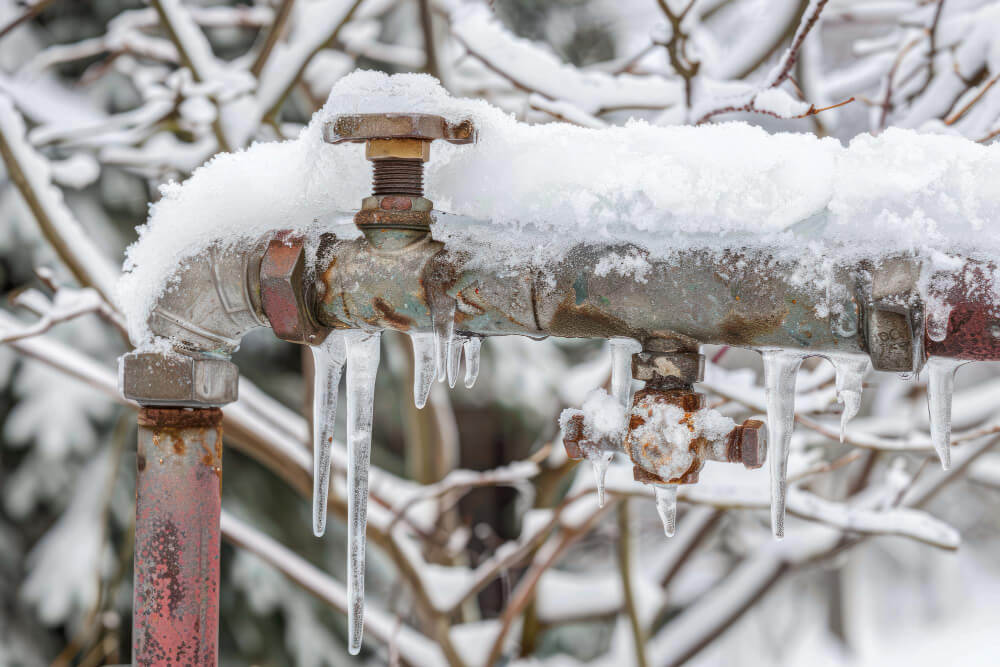
Winter brings crisp days and sparkling landscapes across Ontario. But for homeowners, it also brings one very real threat: the possibility of frozen pipes. Picture this — you wake one morning to an icy cold bathroom, the tap hardly trickles, and you realize a hidden pipe has frozen overnight.
That moment can lead to hours of panic, potentially massive damage, and a repair bill you didn’t expect. With the right steps and a little preparation, you can keep your plumbing safe, maintain warm running water, and stay in control through the cold months. Continue reading to learn what to do and how to prevent disruption.
Why do frozen pipes become a problem in Ontario?
When temperatures fall well below zero, water inside pipes turns to ice and expands. That expansion can crack or burst the pipe. In Ontario homes, older insulation or exterior-wall plumbing heightens the risk.
1. Know which areas are most at risk
Certain areas of your home require special attention. Pipes in basements, crawl spaces, attics, garages or along exterior walls are vulnerable because they run through cooler zones. Also, pipes behind kitchen or bathroom vanities on outside walls may freeze. Without the right protection, even short cold spells can damage your plumbing.
2. Insulate exposed pipes properly
Covering vulnerable piping with insulation is one of the most effective ways to prevent freezing and burst pipes. Do it before the deep cold arrives. Wrap pipes located in unheated or unconditioned spaces with foam pipe covers or heat tape. Make sure they’re snug and cover the full length of exposed runs. Additionally, consider insulating the walls behind pipes, especially if they are located on exterior walls, so that the heat from the house can reach them. According to an Ontario-focused guide, this is “one of the most effective ways” to protect pipes. This step doesn’t cost much compared to the risk of a burst pipe.
3. Maintain a consistent indoor temperature
Keeping your home warm and stable during winter helps prevent freezing plumbing, even if you’re away or the heating is turned down. Set your thermostat to a safe minimum, even when you’re away overnight. Experts say keeping your home above about 12°C (54°F) helps. Do not turn your furnace off when you leave for a weekend. Cold air will creep into nooks and cool pipe runs quickly. If you have rooms you rarely use, keep the door closed but maintain some heat. Also, avoid leaving windows or doors open during a freeze, as cold drafts can directly contact pipe surfaces.
4. Drain and secure outdoor faucets and hoses
Exterior plumbing is often overlooked. Without proper winter preparation, those faucets and hoses can freeze, causing damage inside the home. First, disconnect garden hoses from spigots. Drain remaining water so it cannot freeze in the hose or pipe. Also, shut off any dedicated outdoor water supply lines and drain them. Then install faucet covers over the exterior spigots for added insulation. This protects your plumbing and reduces cold penetration from outside.
5. Keep a small drip flowing from your faucets
Water moving through the pipe is much less likely to freeze. It’s a simple but effective step when extreme cold hits. On very cold nights, open one or two faucets (especially those served by exposed pipes) to allow them to drip slowly. Let warm air circulate by opening kitchen or bathroom cabinet doors, especially if the plumbing runs behind them. This doesn’t cost much water compared to the cost of a burst pipe.
6. Seal air leaks around plumbing and walls
Cold air entering near plumbing will freeze pipes faster. Stopping drafts is a useful step in preventing freezing. Inspect areas where pipes pass through walls, such as around dryer vents, electrical wiring, sill plates, and outside walls. Use weather-stripping, caulking or foam to seal gaps. Also, keep your garage door closed when temperatures drop so cold air does not flow past water lines near the wall.
7. Know where your main shut-off valve is and how to act in an emergency
If a pipe bursts, you need to respond fast. Knowing the location of your shut-off valve can help reduce damage and associated costs. Locate the main water shut-off valve, typically situated near your meter or basement wall, and ensure you know how to turn it off. If you suspect a frozen pipe (for example, a faucet only yields a trickle), shut off the water and call a professional plumber. Having this knowledge ahead of time helps you act confidently rather than panic.
8. What to do if a pipe freezes
Even with preparation, some pipes will freeze. Acting promptly prevents major damage and reduces the cost of repairs. If you turn on a tap and only get a trickle, then part of the pipe may be frozen. Open the faucet served by that pipe so water can flow once it begins to thaw. Then, gently apply heat using a hairdryer, heating pad, or warm towels. Do not use open flames or torches. If you find a burst pipe, shut off the main valve at once and call a licensed plumber — trying to thaw a broken pipe could flood your home.
9. Plan for going away or extended absence
If your home will be unoccupied for several days in freezing conditions, you need to take extra care. Set the home temperature to at least 12°C (54°F) or higher. Drain exterior lines and ensure indoor zones stay warm. If possible, ask a neighbour or friend to check in on your house. This step provides you with peace of mind and protects your plumbing even when you’re away.
Conclusion
Frozen pipes are one of those home problems that come without warning and with a big cost. But in Ontario, you can take smart, manageable steps this autumn to protect your home and your peace of mind. Wrap and insulate exposed pipes, maintain a steady heat source, drain exterior spigots, keep water flowing, seal drafts, and know the location of your shut-off valve. In the long run, these actions are far less expensive than cleaning up burst-pipe damage.
If you discover your plumbing has frozen or suffered damage, act quickly to shut off the water and call a professional.
Plumbing Problem? Call Us Today
Plumbing Problem? Call Us Today