

Warning Signs Your Plumbing Needs Attention Before Summer in Mississauga
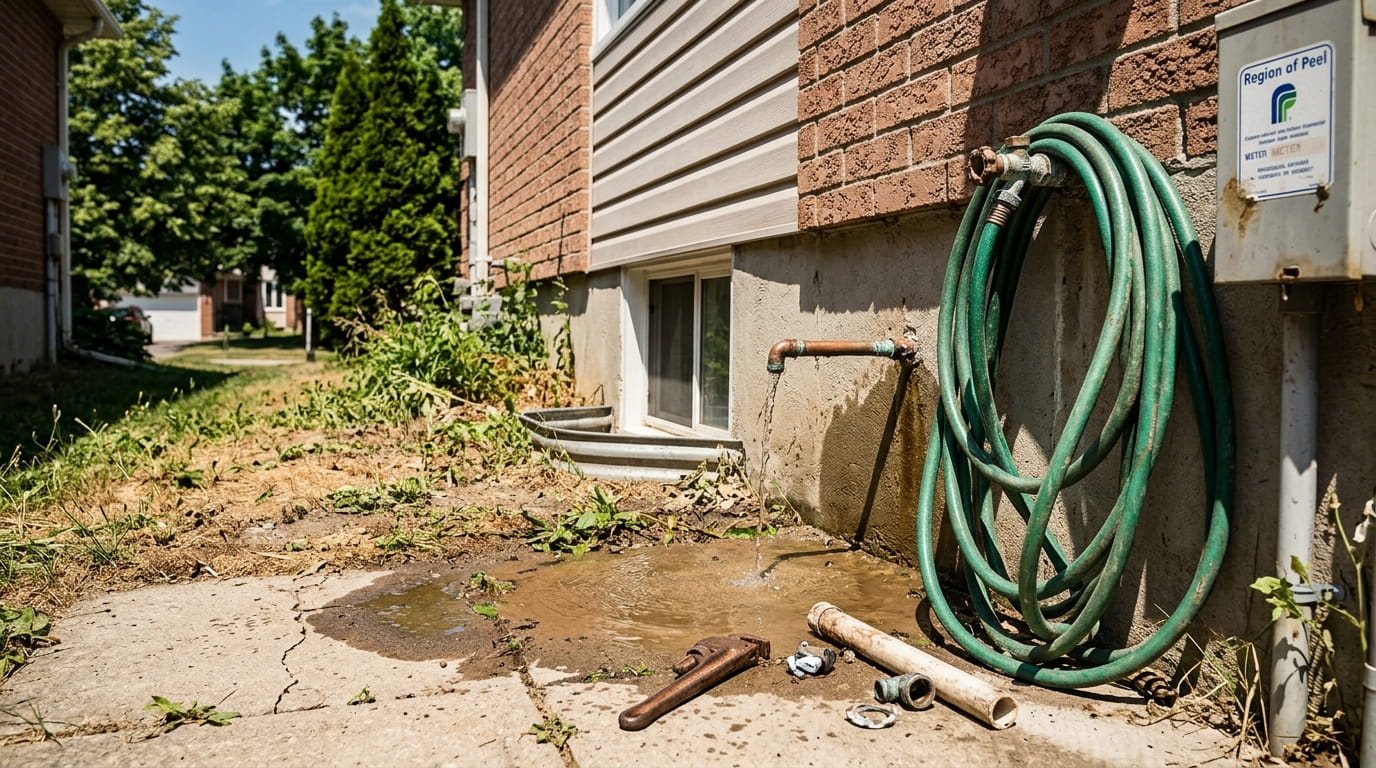
Mississauga summers are notorious for high humidity and sudden, heavy thunderstorms. As the ground shifts and water usage spikes for landscaping and cooling, your plumbing system faces unique pressures. Addressing these “early warning signs” in May and June can prevent a “plumbing emergency” during a July heatwave.
1. The “Musty” Basement Smell (Humidity vs. Seepage)
In Mississauga’s older neighborhoods like Port Credit or Streetsville, aging foundations are susceptible to hydrostatic pressure. If you notice a persistent earthy or musty odor, it’s rarely “just humidity.”
- The Risk: Heavy spring rains can overtax your weeping tiles. If your sump pump isn’t cycling correctly, that smell is likely the beginning of mold or a slow basement seep.
- Expert Advice: Test your sump pump now. Pour a bucket of water into the pit to ensure the float switch triggers. In Ontario, where finished basements are common, a battery backup is a non-negotiable insurance policy against summer power outages.
2. Slow Drains & “Gurgling” Toilets
If your sinks are draining slower than usual or you hear a “glug-glug” sound from the toilet when the shower runs, you likely have a venting issue or a partial clog deep in the main line.
- The Geography Factor: Mississauga is known for its beautiful, mature tree canopies. However, those roots are currently seeking moisture as the weather warms. Small cracks in older clay or early PVC pipes are magnets for root intrusion.
- Expert Advice: Don’t rely on chemical drain cleaners; they can damage older Ontario piping (like copper or galvanized steel). A professional camera inspection can identify if roots have breached your main line before a total backup occurs during a summer backyard BBQ.
3. Frequent “Cycling” of the Water Heater
As the Lake Ontario water temperatures rise slightly, your water heater shouldn’t have to work quite as hard as it did in February. If you hear “popping” sounds (sediment boiling) or notice the unit turning on and off constantly, it’s struggling.
- The Hard Water Reality: Much of the Peel Region deals with varying levels of water hardness. This leads to calcium buildup at the bottom of the tank.
- Expert Advice: Flush your water heater to remove sediment. This improves efficiency and prevents the tank from overheating during the high-demand summer months when laundry and showers increase.
4. Low Water Pressure in Outdoor Spigots
When you first turn on the hose for your garden or pool, pay attention to the pressure. If it’s significantly lower than last year, you might have a hairline fracture from the winter freeze.
- The Risk: Even if you shut off your outdoor water in November, a tiny amount of trapped water can expand and crack the pipe. You might not notice the leak until the valve is fully open for the summer, leading to water pooling behind your siding or in your foundation.
- Expert Advice: Check your water meter. Turn off all taps, wait 30 minutes, and see if the dial has moved. If it has, you have a “silent leak.”
5. Discolored Water (Yellow or Brown Tints)
While Mississauga’s municipal water is highly treated, “colored” water coming from your taps indicates an issue within your home’s internal infrastructure.
- The Ontario Context: Many homes built between the 1950s and 1970s still have sections of galvanized piping. As these pipes age, they rust from the inside out. Summer’s increased flow rates can dislodge this rust.
- Expert Advice: If the discoloration only happens with hot water, your water heater is rusting. If it’s the cold water, your main service line may need an upgrade to PEX or Copper to meet modern Ontario Building Code standards.
Summer Readiness Checklist for Mississauga Homeowners:
| Task | Frequency | Why? |
| Sump Pump Test | Monthly (Spring/Summer) | Prevent basement flooding during GTA storms. |
| Check Hose Bibs | First use of the season | Identify winter freeze damage. |
| Inspect AC Condensate Line | Annually | Prevent water damage from AC drainage backups. |
| Clear Gutters/Downspouts | Twice a year | Ensure water is diverted away from the foundation. |
Frequently Asked Questions – Summer Plumbing Prep in Mississauga
Q: Why does my plumbing seem to act up more once the weather gets warm?
A: Increased water usage is the main culprit. Between watering lawns, filling pools, and running the air conditioning (which produces condensate drainage), your system is under higher “load” than in the winter. Additionally, Mississauga’s clay-heavy soil expands when wet and shrinks when dry, which can cause underground pipes to shift or crack.
Q: I’m noticing a “sewage” smell near my floor drains when it rains. Is this normal?
A: No, this often indicates a “dry P-trap” or a blockage in the venting system. In the summer, water in rarely used floor drains can evaporate, allowing sewer gases to enter the home. Pouring a liter of water down your floor drains once a month is a quick fix, but if the smell persists, you may have a backup in your lateral line.
Q: Should I be worried about my AC drainage?
A: Yes. Your air conditioner removes a significant amount of moisture from the air. This water drains through a small plastic line, often into a floor drain or laundry tub. If this line gets clogged with algae or debris, it can back up and flood your furnace room or damage your HVAC electronics.
Q: How do I know if I need a professional inspection or if I can DIY my summer prep?
A: If you notice signs like persistent slow drains, a sump pump that runs constantly even without rain, or visible water spots on your basement walls, it’s time for an expert assessment. For homeowners across the GTA looking for reliable, localized expertise, reaching out to Rosedale Plumbing for plumbing services in Mississauga ensures your system is evaluated by professionals who understand Ontario’s specific infrastructure and climate challenges.
Q: Does the “Hard Water” in Peel Region affect my appliances differently in the summer?
A: Hard water minerals (calcium and magnesium) build up faster in high-heat environments. Since your water heater and dishwasher often work overtime during the summer months – handling extra laundry from beach trips or more frequent dish cycles – the scale buildup can accelerate, leading to decreased efficiency and potential heating element failure.
Plumbing Problem? Call Us Today
Plumbing Problem? Call Us Today