
How to Spot Early Signs of a Hidden Water Leak?
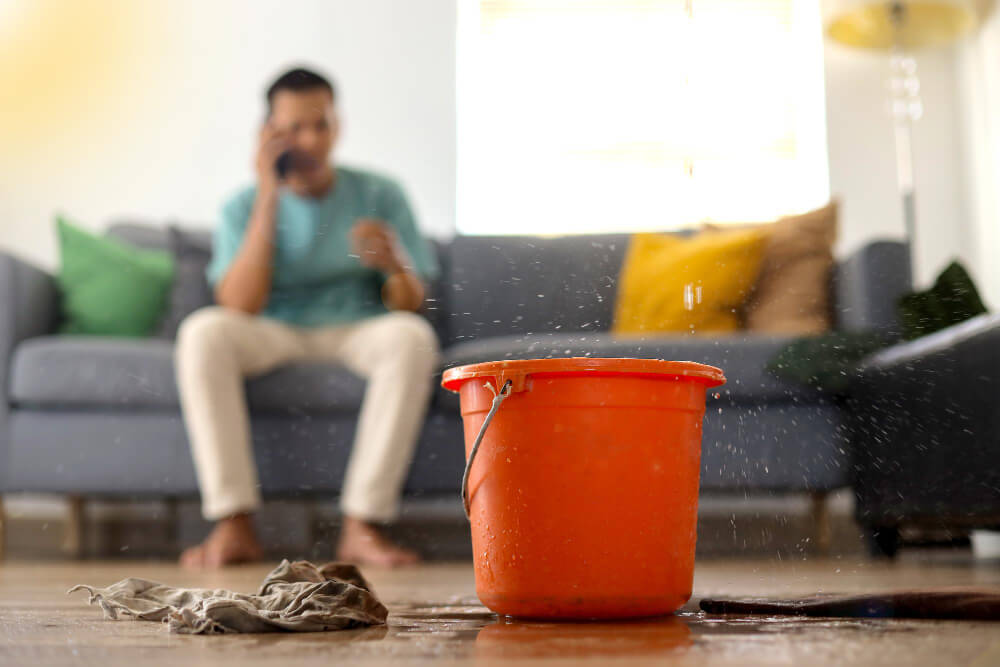
Most water leaks do not show up as dripping pipes or flooded floors. They stay hidden behind walls, under tiles, or inside ceilings while slowly damaging your home. Many people notice the problem only when repairs become costly and messy. By then, moisture has already weakened surfaces and encouraged mould growth.
The good part is that your home gives early warnings if you know where to look. Small changes in smell, sound, or texture often point to a hidden issue. This guide breaks down those early signs in a clear way so you can spot trouble early and act before damage spreads further.
Why are Hidden Water Leaks Harder to Notice?
Hidden leaks stay out of sight. Pipes often run inside walls, below tiles, and through ceilings. Water escapes slowly and spreads through nearby material. Paint, plaster, and wood absorb moisture without showing clear marks at first.
Many leaks do not affect water pressure right away. This makes people assume everything works fine. The damage builds quietly. Mould growth and weak surfaces follow. Knowing the common warning signs helps you catch trouble early.
Common Reasons Hidden Leaks Go Unnoticed
Here are the most common reasons behind hidden leaks that may go unnoticed:
Unusual Increase in Water Bills
A sudden rise in your water bill often signals a leak. If your water use habits stay the same but the bill climbs, water may escape somewhere. Hidden leaks waste water every hour. Check bills from the last three months. Look for a steady rise without reason. This sign alone does not confirm a leak, but it gives a strong reason to inspect further.
Damp or Warm Spots on Walls and Floors
Touch your walls and floors now and then. A hidden water leak often creates damp areas. Some spots feel warmer due to hot water pipes leaking inside. These patches may look darker or feel soft under pressure. Paint may peel slowly. Tiles may loosen. Do not ignore these changes. They often show water leaks in the walls or under the flooring.
Musty Smell That Does Not Go Away
A persistent musty smell points to trapped moisture. Mould grows in damp spaces without airflow. Hidden leaks create the perfect space for this growth. If you clean often but the smell returns, water may sit behind walls or under cabinets. Kitchens and bathrooms show this sign more often. Trust your sense of smell. It often detects problems before your eyes do. Mould or mildew patches in unusual places
Mould near showers feels normal. Mould on bedroom walls or hallway ceilings does not. When you spot mould in dry areas, suspect a hidden leak nearby. Mould feeds on moisture and spreads fast. Even small leaks support growth. This sign affects health and air quality. Early removal works only when you stop the water source.
Cracks in The Walls or Ceiling Stains
Small cracks can appear from normal house movement. When cracks grow with brown or yellow stains, water damage becomes likely. Ceiling stains often form rings. Walls may bubble or warp. These marks show that water travels through material over time. Ignoring them allows more water to soak deeper.
Reduced Water Pressure in Fixtures
If taps suddenly lose pressure, pipes may leak somewhere along the line. Water escapes before reaching the tap. Pressure drop often happens slowly. Check more than one fixture. If the issue affects many areas, a hidden leak becomes more likely. This sign helps narrow down the problem location.
Sounds of Running Water When Taps Are Off
Listen when the house stays quiet. If you hear water flow while all taps remain closed, water may move through a leaking pipe. This sound often comes from walls or floors. It stays steady and soft. This clue works best at night when the noise stays low.
Warped Floors or Loose Tiles
Wood floors react strongly to moisture. Hidden leaks cause boards to bend or rise. Tiles may feel hollow when tapped. Grout lines may crack. These changes show water damage below the surface. Acting early limits repair work and replacement costs.
Peeling Paint or Wallpaper
Paint and wallpaper need dry surfaces to stay intact. Moisture weakens adhesion. When you see peeling without an obvious cause, water may sit behind the surface. Bathrooms show this sign first, but other rooms matter too. This often links with signs of water leakage at home.
How to Check For Hidden Leaks on Your Own?
You can run simple checks before calling help. Turn off all taps and water-using appliances. Check your water meter. If it moves, water leaks somewhere. Inspect under sinks and near appliances. Look around toilets and washing machines. These steps help confirm the issue before professional inspection.
Prevention Tips to Avoid Future Leaks
- Check visible pipes regularly: Look under sinks, behind toilets, and near washing machines for moisture, rust, or loose joints. Small fixes at this stage prevent bigger leaks later.
- Replace old hoses and fittings on time: Washing machine and dishwasher hoses wear out faster than people expect. Change them every few years, even if they look fine.
- Watch your water pressure: Very high pressure stresses pipes and joints. If taps release water too forcefully, ask a plumber to check and control the pressure.
- Seal grout and caulking properly: Cracks in bathroom tiles and sink edges allow water to seep behind walls. Reseal these areas before water reaches deeper layers.
- Insulate exposed pipes: Pipes in basements or near exterior walls can crack due to temperature changes. Proper insulation lowers this risk.
- Clean drains to prevent backups: Slow drains create pressure inside pipes, which increases leak chances. Regular cleaning keeps water flowing smoothly.
- Schedule routine plumbing inspections: A yearly check helps spot weak joints and aging pipes before they fail. Early checks always cost less than emergency repairs.
Conclusion
Hidden water leaks rarely show a clear warning at first. Small signs guide you if you pay attention. Watch bills, smells, stains, and sounds. Early action keeps the repair simple. Professional help adds clarity when needed. A quick check today protects your home from bigger trouble tomorrow.
Plumbing Problem? Call Us Today
Plumbing Problem? Call Us Today