Why Is My Toilet Running? Common Issues & Fixes
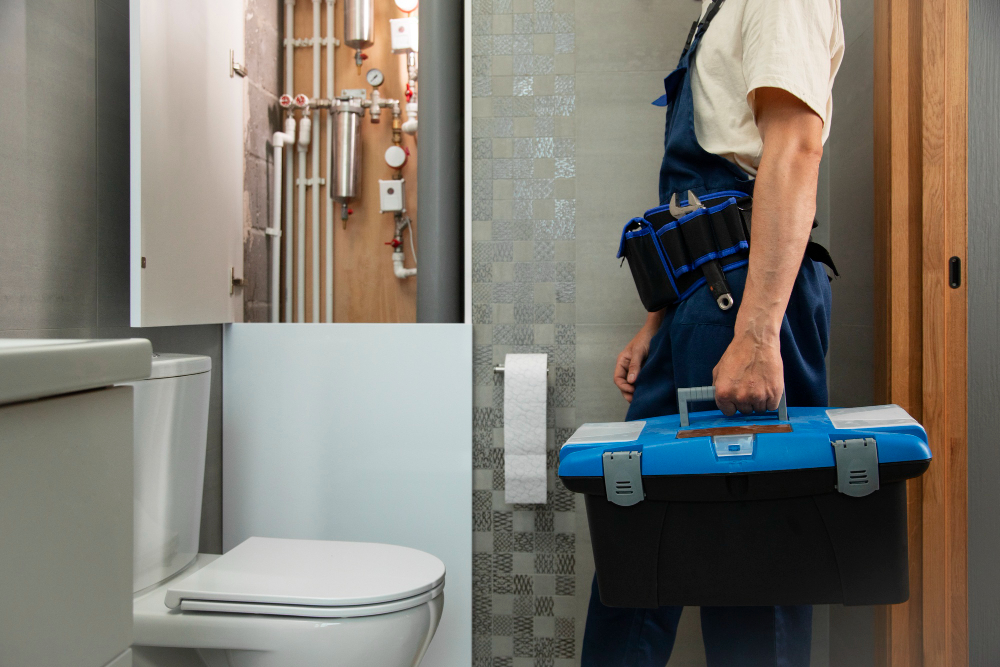
Whilst you might not think about it too much, the fact that your toilet is running after being flushed is perfectly normal. However, if you notice it constantly running you may notice the sound of it running when passing the bathroom after 10 minutes. Or you may notice that the tank is constantly filling. Occasionally, you may notice it stops, only to start again a few minutes later.
Most causes of running toilets will be inside the tank itself. The rubber seal may no longer be sealing properly, or the fill valve is struggling to close. It may also be that the water level is too high. Whilst these causes of running toilets don’t always require major fixes, they shouldn’t be ignored. Discover what is happening inside your toilet, how to identify the issue and when to call Rosedale Plumbing.
Understanding Why Your Toilet is Running
After flushing, your toilet should make a slight noise as the water drains out, fresh water flows in, and it prepares for its next flush. After the tank fills, you should no longer hear any noise.
However, something is causing it to run. This can be due to the fill valve struggling to close. Or water can be running into the tank and then leaking into the bowl.
You may notice a constant hissing noise, a trickle of water running out, or notice it filling automatically.
Running Toilet Indicators
On occasion, you’ll notice obvious signs, but on other occasions there may be a few indicators:
- Constant trickle of water in the bowl.
- Toilet filling automatically.
- Constant hiss.
- Water running in the overflow tube.
- Taking longer to fill.
- Requires multiple flushes to empty the bowl.
7 Common Causes Toilet Keeps Running
Before purchasing any parts to fix your Running Toilet, you should consider how it is running. Is it continuously running or stopping and starting? Is the tank filling but then starting again after a few minutes? This will give you an indication of the issue. There can be 7 common causes.
1. Flapper Not Sealing
The flapper is responsible for keeping the water in the tank until you flush. However, this needs to happen multiple times throughout the day (or years!). As time goes on your rubber can become misshapen and stiff. Minerals can also become stuck around the flapper or area of your toilet. This will mean that even a small gap can be created allowing water to run into the bowl. However, the leak may be so small you don’t notice. This means that your tank is slowly losing water, the fill valve is noticing this and filling again. You may notice a short refill every few minutes. Often a worn flapper will need replacing. If there is lots of debris you may be able to clean the seal. However, as the flapper has been damaged it won’t return to its original shape. Ensure you purchase a flapper that is compatible with your toilet. If it doesn’t fit properly you’ll still have the same issue.
2. Fill Valve Not Closing
If your tank is not filling to the correct level then you may have an issue. The fill valve controls the water supply to your toilet after each flush. As soon as the float is in the correct position the fill valve should close. However, the internal mechanisms may have become worn or minerals can cause it to struggle. You may notice a constant hiss coming from the top of your toilet. Or in some cases the water level is constantly increasing and running into the overflow tube. A slow filling toilet can also indicate an issue with your fill valve. However, this can also be caused by a reduced water supply.
3. Float Too High
Your float controls how much water is filling your tank. If it is not closing your fill valve at the correct time, your tank may be overfilling. If your float is too high, the water level can increase beyond the desired level. Once the water reaches the overflow tube, it will begin to run into the bowl. Your fill valve may be running, as your tank is never reaching the correct level to close. Open your tank and check your float. Depending on your toilet, you’ll have a ball on an arm or cup shaped float. If your float is too high, you may be able to adjust it slightly. Ensure you follow the manufacturer’s guidelines. If your water is still increasing, you may have an issue with your fill valve.
4. Flush Handle or Chain Stuck Open
Have you noticed that when you press down your flush handle it feels loose, stiff or isn’t returning to normal? This may be causing your toilet to run. Your handle is connected to your flapper with a small chain. When you flush your toilet your chain lifts the flapper allowing water to run out of your tank. Once the water has ran out the chain should release the flapper. However, if the chain becomes stuck, too tight or is not in the correct place you may have an issue. If your chain has very little slack your flapper may be slightly open. If your chain is too loose it can become stuck underneath. A stiff flush handle can also be the issue. Open your tank and ensure your chain is moving freely when you use your handle. It should have enough slack so your flapper lays flat and will not become tangled. If your handle or other parts are damaged you may need to replace them.
5. Tank Overfilling
Your toilet tank doesn’t need to be fully filled to function correctly. However, it should be filled to a level that will give an effective flush. It shouldn’t be to the point it is reaching the overflow tube. If you’re constantly seeing water reach the top of your overflow tube your toilet may be running. This is usually due to your float allowing too much water into your tank or your fill valve not closing. Watch your tank as it fills. If the water is reaching your overflow tube then it is leaking.
6. Minerals Causing Issues
Most homeowners won’t clean the inside of their toilet tank. Whilst this is understandable, over time minerals can build up. Minerals can build up on your fill valve, flapper and other moving parts. Small particles can also become stuck around your seal. Whilst it may simply look dirty, this can cause issues by preventing parts from moving freely. Or rubber seals from sealing properly. Your flapper may look fine but not be sealing due to buildup around the opening. Or the buildup inside your fill valve can affect how it controls the water. If you notice any buildup inside your tank, you may want to clean. If it is suitable to clean your parts, follow the manufacturer’s guidelines. Avoid harsh products as they can damage your rubber or plastic parts.
7. Leak from Tank into Bowl
Your toilet may be leaking but not creating a puddle on the floor. This is because it may be leaking internally. A poor seal on your flapper or other damaged parts can cause water to run from your tank into the bowl. This means your tank is losing water and will begin to refill. This is why some toilets appear to be turning on every few minutes. A simple test you can do is to add a few drops of food colouring into your tank. Leave your toilet untouched for 10-15 minutes. If you can see coloured water in your bowl, then you leak. This is often due to a flapper not sealing. If you are noticing water leaking around your tank bolts or seal between the tank and bowl then this is a different issue. Both should be looked into, but will require different fixes.
How to Diagnose Your Issue
By watching your toilet go through a full flush cycle, you can gain a good understanding. Before attempting to adjust anything, watch what is happening.
Basic Diagnosis
- Carefully lift the lid from your tank and place it on a stable surface. Flush your toilet.
- Check your water level. Is it stopping at the correct level or is it running into your overflow tube? Check your flapper. Is it dropping back down straight away or staying slightly open?
- Check your chain. If it is stuck underneath your flapper, it can cause a small gap. A stiff handle can cause the flushing mechanism to stay open.
- Listen for constant hissing. This can indicate an issue with your fill valve. Or intermittent refills can indicate water is leaking into your bowl.
Food Colouring Test
If you think you have a leak from your tank you can perform this test.
- Add a few drops of food colouring into your tank.
- Do not flush your toilet.
- Leave for 10-15 minutes.
- Check the water inside your bowl.
If you can see coloured water in your bowl then water is leaking from your tank. This is often due to a flapper not sealing. If the water is still clear then this test has not indicated an internal leak. Check your fill valve, float and flushing mechanism.
How to Fix Your Running Toilet
Once you’ve identified an issue you’ll need to decide what to adjust or replace. Some minor issues can be fixed by you, others are best left to someone who regularly deals with plumbing systems.
Fixes You Can Attempt
If the issue is simply a loose chain or misaligned float, then you may be able to fix it.
- Ensure your chain is straight. Remove any knots and ensure it is not holding open your flapper.
- Adjust your float. Follow the manufacturer’s guidelines to ensure your water level is correct.
- Clean any visible parts. Remove any dirt or buildup.
- Replace your flapper. If your rubber seal has become damaged or stiff, replace it with an appropriate flapper.
Take your time and do not force any fittings. If you need to deal with your water supply or internal parts ensure you turn off the water supply valve.
Replacing Parts
If the part has reached the end of its life you’ll not be able to adjust it. Your fill valve may need replacing completely if the internal parts have become damaged. A cracked flushing mechanism, heavily worn seals or corroded fittings may need replacing. Before replacing any parts check your toilet manufacturers guidelines to ensure compatibility. Not all toilets will have the same internal fittings. Once you’ve confirmed compatibility check the condition of your other parts. If your toilet is older and multiple parts are showing signs of wear then you may find yourself having to replace multiple small parts.
When to Call a Professional
If you’ve tried adjusting your toilet and it is still running then you should call a plumber:
- Your toilet is still running after adjusting your float/chain.
- The tank is still losing water after replacing your flapper.
- Water is appearing around your toilet.
- Internal parts are corroded, damaged or difficult to remove.
- The issue is recurring shortly after fixing.
- Unable to identify which part is causing the issue.
A professional can check your full flushing mechanism to identify if it is a single part or multiple parts causing the issue. This ensures you are not wasting money on parts that aren’t actually causing the issue.
Will a Running Toilet Increase My Water Bill?
A running toilet can increase the amount of water your household is using. However, it won’t be making much noise, meaning it can be easily overlooked. If your flapper has become worn then water will slowly run from your tank to your bowl. Your fill valve will then cause more water to come in. This will continue even if no one uses the bathroom. Depending on how bad the leak is you may not notice it. However, your water usage can increase. If you are noticing a higher bill and your household hasn’t changed water usage, then you should check for running toilets and hidden leaks. It is best to look into a small plumbing issue as soon as possible.
When to Call a Professional Plumber for a Running Toilet in Ontario
Whilst some toilet issues are easy to identify, it can be difficult to identify what needs fixing. If your toilet is still running after checking the basics of your toilet, you can save yourself some guesswork by calling a professional.
Ongoing or Recurring Issues: If you’ve adjusted your float or replaced your flapper and your toilet is still running, there may be another issue inside your tank. Multiple parts could be worn. An older fill valve may be struggling to close, and your flapper may be allowing water to escape. A plumber can check your full flushing mechanism to identify what needs attention.
Leak Around Toilet/Tank: If you’re noticing water around your toilet, you should take a closer look. This could be due to a loose water connection, damaged tank bolts, a worn seal between tank and bowl or an issue with the toilet connection. Not all leaks will be due to your toilet running. If water is leaking onto the floor, then this will need a different inspection. However, if you’re noticing water getting onto the floor, turn off the water supply if possible and book in a plumbing inspection. Leaving this to run can cause damage to your flooring and materials underneath.
Get Your Toilet Fixed with Rosedale Plumbing
A running toilet can be frustrating. However, if you’re constantly adjusting parts it can help to have someone check your whole system. Rosedale Plumbing offer plumbing services to homeowners across Ontario. We can help identify any issues with your toilet flushing mechanism, fill valve, seals, water connections and other parts. We aim to identify the cause before recommending any fixes. This means you’ll understand what is wrong with your toilet and what needs to be done to get it working properly again. If your toilet is constantly refilling, making noises after flushing or has developed a leak call Rosedale Plumbing to book in professional plumbing.
Plumbing Problem? Call Us Today