

When Should You Replace Old Plumbing Pipes in an Older Ontario Home
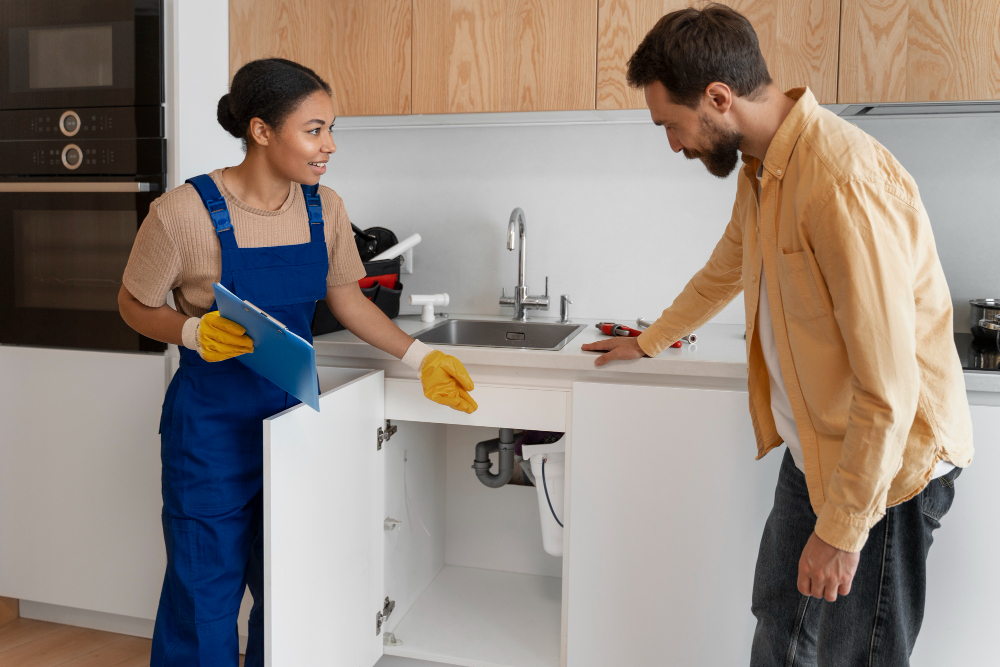
As much as old homes can be charming, there can be issues with the plumbing. If you have a fairly old house, then your pipes may have been carrying thousands of litres of water. Some may be completely fine, but some may begin to show signs of wearing down. You may notice a small leak under your sink, rusty water coming out of your taps or reduced water pressure when showering.
Whilst it can cause frustration whilst trying to go about your daily routine, you don’t necessarily have to replace the pipes. Depending on what type of pipes you have, how much damage they have and how many times they have needed repairing will affect how much you need to do. Knowing what to look out for will allow you to know whether you can repair or need to replace.
7 Signs You Need to Replace Your Old Pipes
Old pipes won’t just suddenly fail. In most cases, there will be a few signs that you need to replace them. If you have an old home in Ontario, here are 7 signs to look out for.
1. Frequent Leaks and Repairs
If you are frequently calling your plumber to fix leaks within your pipes, then you should look into your plumbing. Whilst one leak may not be a big issue, having multiple leaks in different areas could indicate a larger issue. Over time, your pipes can corrode and wear, so the pipe walls and joints can weaken. You may have a leak repaired in your basement, only for another to occur under your kitchen sink a few weeks later. Eventually repairing your pipes in small sections won’t make sense. Ask your plumber to look at your surrounding pipes to see if there are any other weak areas. If only one area has been damaged, then you may just need to replace the section. If you have multiple pipes showing signs of wear, then you may need to replace them.
2. Rusty Brown or Discoloured Water
Have you ever turned on your tap and noticed your water is rusty, brown or yellow? This could be due to old metal pipes. Many older homes will still have galvanized steel pipes. Over time, these can rust internally. As the protective coating starts to wear away, rust will build up inside. Some of this can enter your water, causing the water to become discoloured. You may notice this more when you first turn your taps on after leaving them off for a few hours.
However, this isn’t always caused by your home’s pipes. Watermain repairs, maintenance and other issues can cause temporary discolouration. If you notice your water is still looking odd, call your local water company. Ask your plumber to come and look at your plumbing.
3. Reduced Water Pressure
Is your shower taking longer to wash out your shampoo? Are your taps losing water pressure? Old pipes can cause this issue. Over time, rust and minerals can build up inside your pipes reducing the space for water to flow. However, this may not be caused by your pipes. If you have one tap with little water pressure then it could be caused by a blocked aerator, faulty valve or damaged fixture. If you have multiple taps and showers experiencing the same issue then you could have a problem with your main water supply.
4. Corrosion on Exposed Pipes
Looking at your pipes in your basement and utility room can give you a good indication of what condition your pipes are in. Look at your exposed pipes and notice:
- Reddish brown rust on your galvanized steel pipes.
- Green or blue-green buildup on your copper pipes.
- Flaking.
- Slight damp areas around the joints.
- Rust stains or water marks on your walls and floors.
This could indicate corrosion or a leak. Corrosion can cause your pipe walls to weaken over time, increasing the chance of holes and cracks.
Even if your pipe isn’t leaking, if you notice damage, then ask your plumber to look into how much of your pipe has deteriorated. They can let you know if you need to replace the joint, short section or a larger section.
5. Odd Smell, Taste or Colour of Water
You shouldn’t be getting an odd smell, metallic taste or odd colours in your drinking water. If you are noticing changes then you should look into why. Old pipes can sometimes cause issues with your water, especially if they have corroded metal or unsuitable materials. However, it can be caused by your plumbing fixtures, stale water or issues with the municipal water. Older homes should be looked after extra carefully as some may still have lead pipes or lead service lines. This can be a health risk and you wouldn’t be able to tell by looking or tasting your water. If you notice a continuous change then ask your local water company to test your water. Ask your plumber to come and look at your pipes.
6. Frequently Blocked Pipes
Are you frequently getting blocked pipes in your kitchen sink? Are your toilets and basement drains backing up more? Sometimes it can be more than just grease, hair or waste. Old pipes can crack, become loose and build up internally. Tree roots can also enter your underground sewer pipes through small holes causing regular blockages. However, not every blocked pipe will need to be replaced. Sometimes it can be caused by build up of soap, grease, food waste and hair causing a slow drain. If you are getting regular issues with the same drain or multiple fixtures then ask your plumber to look at your drain. They can use a camera to identify any cracks, tree roots and other damage. Once you know why you can decide whether to clean your drains, repair or replace.
7. Old Pipes
If you have a home that was built several decades ago, do you know what type of pipes you have? Many older homes in Ontario will have galvanized steel, copper, cast iron or old plastic pipes. These can last for decades depending on how they were installed by your plumber, the quality of the water and how well they have been maintained. Just because your pipes are a certain age doesn’t mean you need to replace them all. Your copper pipes could be in great condition if well maintained. Whereas your galvanized pipes may have major issues if they haven’t been looked after. Look into what type of pipes you have in your home. If you don’t have any records of renovations or plumbing then ask your plumber to come and identify what type of pipes you have. This will help you know what sections need looking at.
How Long Do Different Pipes Last?
Different types of pipes will last for different amounts of time. Some can last for many decades whilst others can cause issues much quicker. Here is what you need to know about the most common pipes used in residential properties.
Galvanized Steel Pipes
Many older homes will have galvanized steel pipes. This is because they are coated in zinc which helps protect the steel from rust. Over time however, the coating will wear away causing rust and minerals to build up inside the pipe, reducing water flow. If you still have old galvanized supply pipes, ask your plumber to come and look at them. Especially if you have rusty water or low pressure.
Copper Pipes
Copper pipes can last for several decades if installed correctly by your plumber. They are resistant to many common issues but can still cause leaks. Pin hole leaks, bad water chemistry, corrosion and faulty joints can all affect how long your pipes last. Look for green build up and damp areas on your exposed copper pipes.
PEX Pipes
PEX is a flexible plastic pipe that many plumbers use in modern properties. They can bend around corners and often have fewer joints. Whilst they won’t rust like metal pipes they still need to be installed correctly. Poor quality products, incorrect exposure and incorrect installation can all affect how long they last. Always follow the manufacturers guidelines for how long they should last and installation.
PVC, ABS and Other Plastic Drain Pipes
PVC and ABS pipes are commonly used to drain water away from your sinks, toilets, showers etc. Whilst they won’t rust they can crack, become loose and can be damaged from incorrect installation. They can also be affected by external pressure and temperature changes. Keep in mind these are just estimates. The type of pipe, quality of installation, water quality and maintenance will all affect how long your pipes will last.
Why Older Homes in Ontario Can Have Issues With Their Pipes
Issues with plumbing can occur over many years in older homes in Ontario. The type of pipes, weather and previous repairs can all affect your pipes.
Old Pipes: Some older homes will still have pipes that aren’t suitable for modern households. Galvanized steel pipes can cause rust buildup internally. Previous renovations may have also caused new pipes to be installed.
Cold Winters in Ontario: Winters can be tough on your plumbing. When water freezes inside your pipes, it expands, causing pressure on your pipe walls. This can cause cracks or bursts. Pipes in your garage, crawl space, external walls and unheated basement are at a higher risk as they are more exposed to cold air. The City of Toronto recommends insulating your exposed pipes, sealing any cold air leaks and keeping your internal temperature above 8°C during cold weather.
Minerals in Water: Over time, minerals can build up inside certain pipes. Some pipes can be affected by the water chemistry, causing corrosion. How much of a risk this is will depend on your local water and type of pipe.
Old Joints and Previous Repairs: Older homes can have a mix of pipes due to previous repairs and renovations by different owners. A plumber may have fitted new copper pipes to your old galvanized pipes. Some joints and fittings will need extra care to avoid corrosion and leaks. If you’ve had a history of repairs, ask your plumber to look at the sections together. This will help identify if it’s one faulty joint or a larger plumbing issue.
Should I Repair or Replace My Old Pipes?
Most homeowners will want to get any leaking pipes repaired as soon as possible. However, it’s important to know whether it’s just a small section of damage or if it’s a larger issue.
When to Repair
If you have a small leak in one pipe and the rest of your plumbing is in good condition then you may just need to repair. Ask your plumber to find out why your pipe is leaking so you can avoid it happening again.
When to Partially Replace
Sometimes the section of pipe has become too worn to repair. Or you may have multiple weak spots. In this case it may be better to replace the damaged section. Your plumber can remove the damaged section and fit a suitable replacement. Leaving the rest of your pipes undamaged.
When to Fully Replace
If multiple sections of your plumbing are showing signs of major damage then you may want to fully replace your pipes. You may have regular leaks in different rooms, heavy corrosion in multiple sections or severe water pressure issues. If you’re regularly paying to repair your pipes, it can add up. Replacing the affected supply lines can be a better investment long term.
What Involves Replacing Old Pipes?
Replacing old pipes needs careful planning. Your plumber will need to know what you currently have, choose the correct materials and ensure your new pipes function correctly. Usually, the process will involve:
Initial Inspection
Your plumber will look at your current pipes and joints. They will check for any leaks, corrosion, low water pressure and other signs of damage.
Choosing the Correct Material
Your plumber will choose the right material to replace your pipes. PEX and copper are commonly used for water supplies within residential properties. PVC and ABS are usually used for drainage.
Removing and Replacing Pipes
Once your plumber has planned what they need to do, they can start removing your damaged pipes. Some pipes will be easy to reach in your basement, utility room and under your sink. Some may be behind your walls, under your floor or in your ceiling. Your plumber may need to cut open these areas to reach your old pipes. Once your damaged pipes have been removed, they can fit your new pipes and join them to your plumbing.
Testing
Your plumber will test your new joints for leaks. They may test the pressure and flow within your pipes. They will also check your joined fixtures for any signs of leaking. Once everything is working correctly your plumber can seal up any areas they opened and organise any finishing touches.
How Much Will It Cost to Replace Pipes in Ontario?
There isn’t a set price to replace old pipes in Ontario. It will depend on how much work needs to be done in your home. Replacing a small section of damaged pipe will usually cost less than replacing all your supply pipes.
Type and Length of Pipe: The type of pipe you choose will affect the overall price. Copper and PEX will cost different amounts for the material and installation. The diameter, length and number of fittings will also affect this.
Accessible Pipes: Your plumber will usually be able to easily reach your exposed pipes in your basement. If your plumber needs to cut into your walls, ceiling or flooring then this can increase labour costs.
Partially Replacing or Fully Replacing: Replacing a small section of pipe won’t require as much material and labour. Fully replacing your pipes will require more pipes, joints and fixtures so will need a larger budget and planning.
Extra Repairs: Once your plumber has finished, you may need to repair your drywall, flooring etc. This may not be included in your plumbing quote. Ask for a written quote detailing what materials, labour, access and any additional costs will be. This will give you a clearer idea of how much it will cost.
How to Care For Your Pipes to Avoid Early Replacement
Whilst you can’t stop your pipes ageing, there are a few simple things you can do to keep them in good condition.
Regular Inspections: Ask your plumber to look at your old pipes. Especially if you’ve had a history of leaks and low pressure.
Fix Small Leaks: Don’t ignore any dripping joints or damp areas. A small leak can cause damage to your cabinets, flooring and surrounding walls.
Insulate Exposed Pipes: During the cold Ontario winters make sure you insulate your exposed pipes. Seal any gaps letting cold air in. Keep your garage and other areas with plumbing above freezing.
Why Choose Rosedale Plumbing?
If your old plumbing is causing you issues you need someone who can identify the real issue and advise you on the best solution. Rosedale Plumbing provides plumbing and drainage services to residential properties throughout the Greater Toronto Area and other communities in Ontario. Whether you have a leaking pipe, burst water line, drainage issues or damaged sewer line, our team can help you understand what the issue is and discuss the best solutions. We also provide leak detection, pipe repairs, sewer line replacements and 24/7 emergency plumbing.
Professional Plumbing Pipe Replacement for your Old Home
Whilst your plumbing may have been running quietly in the background for a number of years, you may notice frequent leaking, rusty water, low pressure and visible corrosion. Whilst you may not always need to replace all of your pipes, having a professional assessment can help you identify the damaged areas and provide you with the correct solution. If you are experiencing plumbing issues in your older home in Ontario, contact Rosedale Plumbing today on (647) 948-5506 to discuss your pipe repair and replacement options.
Plumbing Problem? Call Us Today