
Hidden Water Leaks: How to Find and Fix Plumbing Leaks Before They Cause Damage
Leakages can occur and go unnoticed for weeks and even months. They can occur behind your walls and under your hardwood flooring or deep within your basement concrete. As your water lines are not visible, leaks can occur without you knowing.
This can lead to rotting of wood, mould buildup and wasting thousands of litres of fresh water. Being able to pick up on signs of leakage can make a huge difference. Keeping an eye on your water bill, looking for damp patches and musty smells will help you catch small leaks before they cause major damage. If you suspect there is a leak, getting a professional plumber to come and inspect your plumbing will help you pinpoint exactly where the leak is occurring.
Common Signs of Hidden Water Leaks
Although hidden water leaks are not always completely hidden, they will usually leave some clues around your home. Below are 8 common signs.
1. Increased Water Bill
If you haven’t changed your routine but are seeing increased water bills month by month, there is likely a leak somewhere. Even a small crack in a pressurized pipe can waste hundreds of litres of water daily. Compare your latest water bill to the same month last year.
2. Damp Patches
Pipes will drip behind your drywall and under your flooring, causing the wood and drywall to absorb the water. Look out for dark patches, peeling paint, blistering wallpaper or soft drywall. Bathrooms upstairs often lead to yellow water rings forming on the ceiling.
3. Strong Musty Smells
Any water becoming trapped within your walls or under your flooring will create the perfect environment for mildew. If you are noticing a strong earthy/musty smell in your bathroom, basement or utility room and it isn’t going away after a deep clean. There is likely damp material within your walls.
4. Mould/Mildew
While it is common to see some mildew in your damp shower area, mould beginning to form along your skirting boards, living room ceilings, kitchen cupboards and wall corners is a large sign. Constant dampness within the wall causes mould to grow. High humidity can cause mould issues so it is always a good idea to get a plumber to check for active leaks.
5. Low Water Pressure
A drop in water pressure at your taps and shower head often means there is a break in your main supply lines. The water is escaping from the crack in the pipe which reduces the pressure coming out of your tap. If only one tap is having low pressure it could be due to a blocked aerator however if it is causing low pressure throughout your house it is likely there is a leak in your pipe.
6. Water Noise
Switch off all taps, washing machines and dishwashers. If you can hear a slight trickle, drip or hiss coming from within your walls or flooring then there is active water escaping from a damaged pipe.
7. Warm Patches on Floor
If you are walking on either tile or hardwood flooring and feel a warm patch then there could be a leak in your hot water lines underneath your subfloor or basement slab. If there are random wet patches on your carpet or tile grout then there is water soaking up from underneath.
8. Wet Patches or Greener Grass Outside
Your main water line can crack due to soil movement and age. If you are noticing wet patches on your lawn during dry weather, soft sinkholes near your driveway or a patch of grass that looks much greener and lush than the rest of your lawn then you need to get the line looked at quickly.
Common Areas for Hidden Plumbing Leaks
While your plumbing runs throughout your entire house, hidden leaks are usually found in certain areas.
Bathroom & Kitchen Walls
Your bathroom and kitchen are busy areas, which means the supply lines and drain joints behind your shower, bath, sink and toilet are constantly pressurized and moving. This can cause the connections to leak consistently.
Under Flooring & Basements
Water lines running underneath your subfloor or within your concrete basement slabs can begin to corrode and move. This can cause the lines to rub against sharp rocks, causing difficult to find leaks within your slabs.
Toilet, Tap & Plumbing Fixtures
Old rubber seals, loose supply lines, rusted valves and old wax rings underneath your toilet often cause slow leaks underneath your flooring.
Ceiling & Between Floors
Drains, overflow pipes and vertical water stacks running through your floor joists can leak silently causing damage to your ceilings.
Outside Main Water Line
Main water lines running outside your home can freeze underground. Over time they can suffer from soil movement, root intrusion and pipe corrosion.
How to Find Hidden Water Leaks in Your House
Before getting a plumber to come out, you can do some simple and non invasive checks to check if there is water being lost.
Water Meter
Turn off all taps, showers, ice makers and washing machines. Head outside to your water meter and note the numbers shown, or watch the small dial. Turn off all water for 1-2 hours and check the meter again. If there has been a change or the dial is moving, then there is water running somewhere. Ensure automatic sprinklers are turned off while doing this.
Visible Pipes & Connections
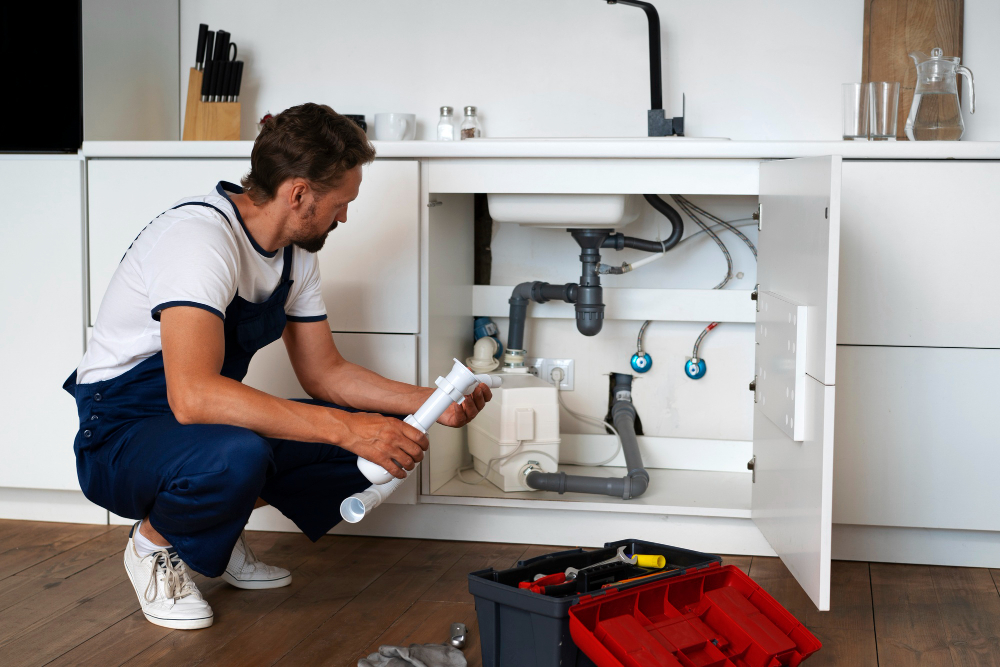
Open your bathroom vanities and kitchen sink cupboards to check for any damp wood, water stains or green scale on metal valves. Check around your water heater, water softener and toilets for any small puddles or rusty fittings.
Water Stains
Walk around each room and look for any swelling, discolouration, bowed drywall or warped flooring.
Unusual Water Usage
Keep an eye on your utility statements each month. Any sudden increase in water usage will help you catch slow leaks early.
Don’t Cut Into Walls/Flooring
Try not to cut into your drywall or flooring based on a guess. You will usually end up paying for unnecessary repairs and create a mess. Get a plumber to use specialist tools to find exactly where the leak is occurring.
Professional Leak Detection
Modern leak detection uses clever diagnostic tools to quickly pinpoint where the break in your pipes is.
Acoustic Leak Detection
Plumbers use sensitive listening devices and ground microphones to amplify the sound of the water running from your hidden pipes. Technicians will listen through your floors, walls and concrete slabs to pinpoint exactly where the leak is.
Infrared Camera Leak Detection
Infrared cameras can detect small changes in temperature on the surface of your home. Any damp drywall or leaking hot or cold water lines will show up as clear patterns on the screen. Plumbers use this to quickly find areas of concern.
Pressure Testing
By isolating sections of your plumbing system plumbers can use accurate pressure gauges to quickly determine if a section of your pipe is watertight.
Professional Plumbing Inspection
Technicians will visually inspect your exposed lines, connections and drains using a range of electronic tools and small cameras. Using a range of techniques will ensure they find the real cause.
How to Fix Hidden Water Leaks
Once a hidden leak has been found, your plumbing will be repaired.
Pipe & Connection Leaks: If there is a leak at a connection, plumbers will replace old rubber seals, damaged brass connections or tighten loose connections. This will ensure your connections are secure and there is no active dripping.
Damaged Pipe Sections: If there are pinholes or seam splits in your copper, PEX or PVC piping, then plumbers will cut out the damaged section. They will splice in a new piece of clean pipe using correct soldering, crimping or gluing techniques.
Outside Main Line Leaks: Plumbers will dig directly above the area using their electronic findings. Depending on how bad the pipe looks, they will either repair the section or pull in a new clean pipe.
Faulty Fixtures & Valves: Faulty shut off valves, old cartridges in your taps, leaking shower valves and old seals in your toilet will be rebuilt or replaced with durable parts. These will ensure they are secure under full water pressure.
Final Checks: Once the repairs have been completed, plumbers will turn the water back on and check the new connections for any leaks. They will also check your water pressure.
Consequences of Ignoring Hidden Water Leaks
Nearly always, ignoring small signs of plumbing leaks will cause more issues.
Damage to Walls, Flooring & Ceilings: Constant exposure to water will cause your wall studs to rot, your ceiling drywall to become ruined and your subflooring to warp. Your structure will lose strength and will need to be rebuilt at a cost.
Mould & Mildew: Dark damp areas within your walls create perfect conditions for mould to form within 24-48 hours. The mould will spread quickly within your walls and air ducts, reducing your indoor air quality.
Higher Water Bills: Allowing water to run from a pipe break will waste thousands of litres of fresh water, increasing your utility bills.
Damage to Electrical Components & Items: Water travelling through your walls can easily reach your junction boxes, sockets and wiring, causing short circuits and fire risks. It can also ruin your insulation, kitchen cupboards, personal items and furniture.
More Extensive Plumbing Repairs: Often, a small pinhole leak in an old pipe means the whole pipe is corroding. By delaying simple repairs, damage can occur, causing a simple repair to become a full pipe replacement.
How to Avoid Hidden Plumbing Leaks
Getting regular maintenance will ensure your plumbing is working correctly.
Regular Plumbing Inspection: Get a qualified plumber to inspect your visible water lines, main shut off valves, water heater connections and pressure regulators every year or so. This will help identify any wear.
Keep an Eye on Your Water Bill: Keep an eye on your monthly water bill. Investigate any small unexpected increase to help fix the leak before causing damage to your home.
Check Fixtures & Appliances: Check your toilet tank, tap spouts, valves underneath your sink and washing machine hoses for any cracks or rust. Replace old rubber hoses on your appliances with braided stainless steel hoses.
Fix Small Leaks: Never ignore slow dripping from your taps, trickling noises from behind your cupboard or small patches of dampness on your drywall. Fixing small issues will prevent them from becoming major plumbing issues.
Insulate Exposed Pipes in Cold Areas: Insulate your water lines running through cold areas such as your basement, crawl space and garage. Extra precautions during the cold winters in Ontario will help prevent ice build up causing pipes to burst within your walls.
Why Choose Rosedale Plumbing for Professional Leak Detection & Repairs in Ontario?
If you suspect there is a hidden water leak in your home, working with an experienced team will ensure everything is fixed correctly. We have skilled plumbers who will provide honest advice and use modern diagnostic tools.
- Skilled plumbers to fix complex plumbing issues in your home or business.
- Non-invasive leak detection service and plumbing inspections.
- Long lasting solutions to leaking supply lines, old valves and broken pipe connections.
- Complete water line repairs and pipe replacements.
- Reliable assistance with difficult hidden leaks and recurring damp issues.
- Honest expert advice relating to where and how bad your pipe leak is.
- Trusted plumbing services in multiple communities throughout Ontario.
Protect Your Home With Professional Water Leak Detection and Repair
Being able to identify signs of hidden water leaks will protect your home, keep your utility bills reasonable and save you from costly structural repairs. Never ignore unexpected increases in your water bill, damp patches, running water noises and musty smells. If you suspect there is a leak in your hidden pipes, contact us to get a professional inspection. Our team at Rosedale Plumbing offer reliable leak detection and pipe repairs. Contact Rosedale Plumbing today to book your inspection.
Plumbing Problem? Call Us Today