The Importance of Regular Plumbing Inspections for Older Properties in Toronto
Older properties in Toronto often look solid from the outside, but their plumbing systems tell a different story inside the walls and under the floors. Many of these homes still rely on aging pipes, old drain lines, and outdated connections that can fail without warning. This article explains why regular plumbing inspections matter for older homes, what problems inspections usually uncover, how often you should schedule them, and how they help avoid costly repairs. By the end, you will clearly know what a plumbing inspection includes and how it protects your home, budget, and peace of mind.
Why Older Toronto Homes Face Higher Plumbing Risks?
Many older Toronto properties still use materials that modern codes no longer allow. Galvanised steel pipes rust from the inside. Cast iron drains crack over time. Clay sewer lines shift as soil moves.
These systems were not built for today’s water use. Dishwashers, washing machines, and multiple bathrooms place stress on pipes designed for lighter loads. Add Toronto’s freeze and thaw cycles, and the risk grows every year.
Common Plumbing Issues Found in Older Properties
Here are common plumbing issues found in older properties:
- Aging Pipe Materials: Galvanised pipes corrode. Water flow drops. Rust flakes enter the water. Copper pipes can thin after decades of use. Lead pipes still exist in some homes, especially on service lines.
- Hidden Leaks Behind Walls: Slow leaks often sit behind plaster or inside ceilings. You may not see them until mould or stains appear. Inspectors use moisture tools and visual checks to find these early signs.
- Outdated Drain and Sewer Lines: Tree roots love old clay pipes. Small cracks allow roots to enter and grow. This causes slow drains and backups. Camera inspections reveal these problems clearly.
- Poor Water Pressure: Low pressure often points to pipe corrosion or partial blockages. Many homeowners accept it as normal in old homes. It is not.
How Regular Plumbing Inspections Prevent Major Damage?
Water damage spreads fast. A small leak today can ruin flooring, framing, and insulation within weeks. Repairs cost far more than inspections. Regular checks help in three key ways.
First, they catch problems early. Second, they help plan repairs over time instead of rushing during emergencies. Third, they protect your home value by keeping systems reliable.
Plumbing Inspections and Toronto Weather Conditions
Toronto winters put pressure on plumbing systems. Freezing temperatures cause pipes to expand and crack. Older pipes handle this poorly.
Spring thaws bring groundwater movement. This shifts old sewer lines. Heavy rain can overload aging drains. A plumbing inspection before winter and after spring helps confirm your system survived these changes. It also highlights insulation gaps or weak joints that need attention.
What Does a Plumbing Inspection Usually Cover?
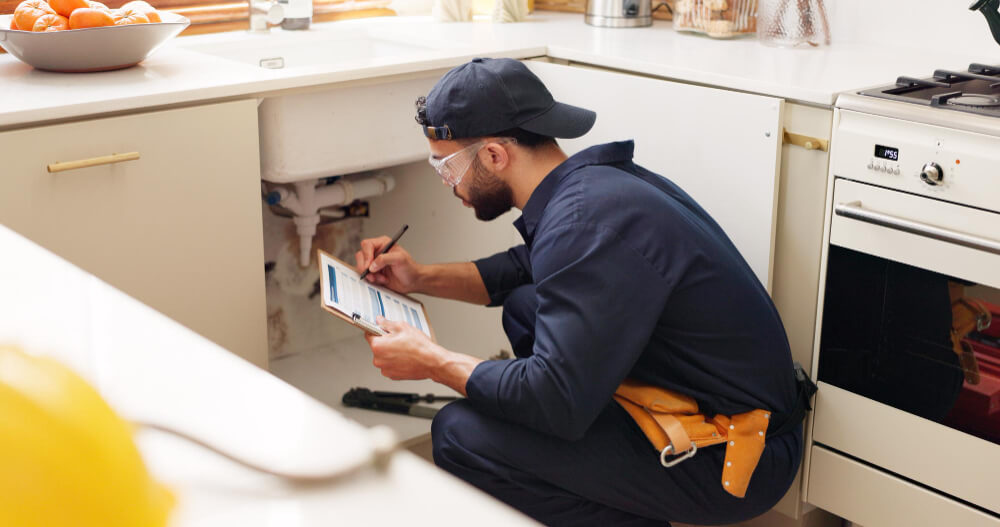
A proper inspection looks beyond visible pipes. Here is what it covers:
- Water Supply Lines: Inspectors check pipe material, joints, and shut-off valves. They test pressure and look for corrosion.
- Drain and Sewer System: This includes visible drains and main sewer lines. Camera checks show cracks, root intrusion, and sagging sections.
- Fixtures and Connections: Toilets, sinks, tubs, and appliances get checked for leaks and proper drainage.
- Water Heater and Valves: Inspectors review age, connections, and safety valves. Older homes often have outdated setups here.
How Often Should Older Homes Get Inspected?
For homes over 40 years old, a full plumbing inspection every two years works well. Homes with known issues should schedule annual checks.
If you plan renovations, inspections should happen before work begins. Opening walls often reveals hidden issues that affect project cost and timing. Buyers of older Toronto homes should always request a plumbing inspection before closing.
Inspections Help with Insurance and Resale Value
Insurance companies care about plumbing risk. Old pipes raise red flags. Inspection reports help show maintenance efforts and system condition. For resale, buyers trust homes with clear records. A recent inspection builds confidence. It shows that the owner stayed proactive, not reactive. This can support pricing and reduce negotiation stress.
Plumbing Inspections During Major Life Changes
Life changes affect homes. Adding tenants. Starting renovations. Preparing a home for sale. Even clearing out a property before scrap car removal often triggers inspections since older garages and basements share drainage lines with the home. Plumbing inspections fit naturally into these moments. They reduce risk during transitions.
Cost of Plumbing Inspections Versus Repairs
An inspection costs far less than emergency repairs. Sewer backups, burst pipes, and water damage can run into thousands. Inspections turn surprise costs into planned maintenance. That control matters for homeowners on fixed budgets or managing rental properties.
Conclusion
Regular plumbing inspections protect older Toronto homes from hidden damage and rising repair costs. They catch issues early, support insurance needs, and help owners plan upgrades with confidence. For any aging property, inspections remain one of the smartest maintenance steps you can take today.
Plumbing Problem? Call Us Today
Plumbing Problem? Call Us Today